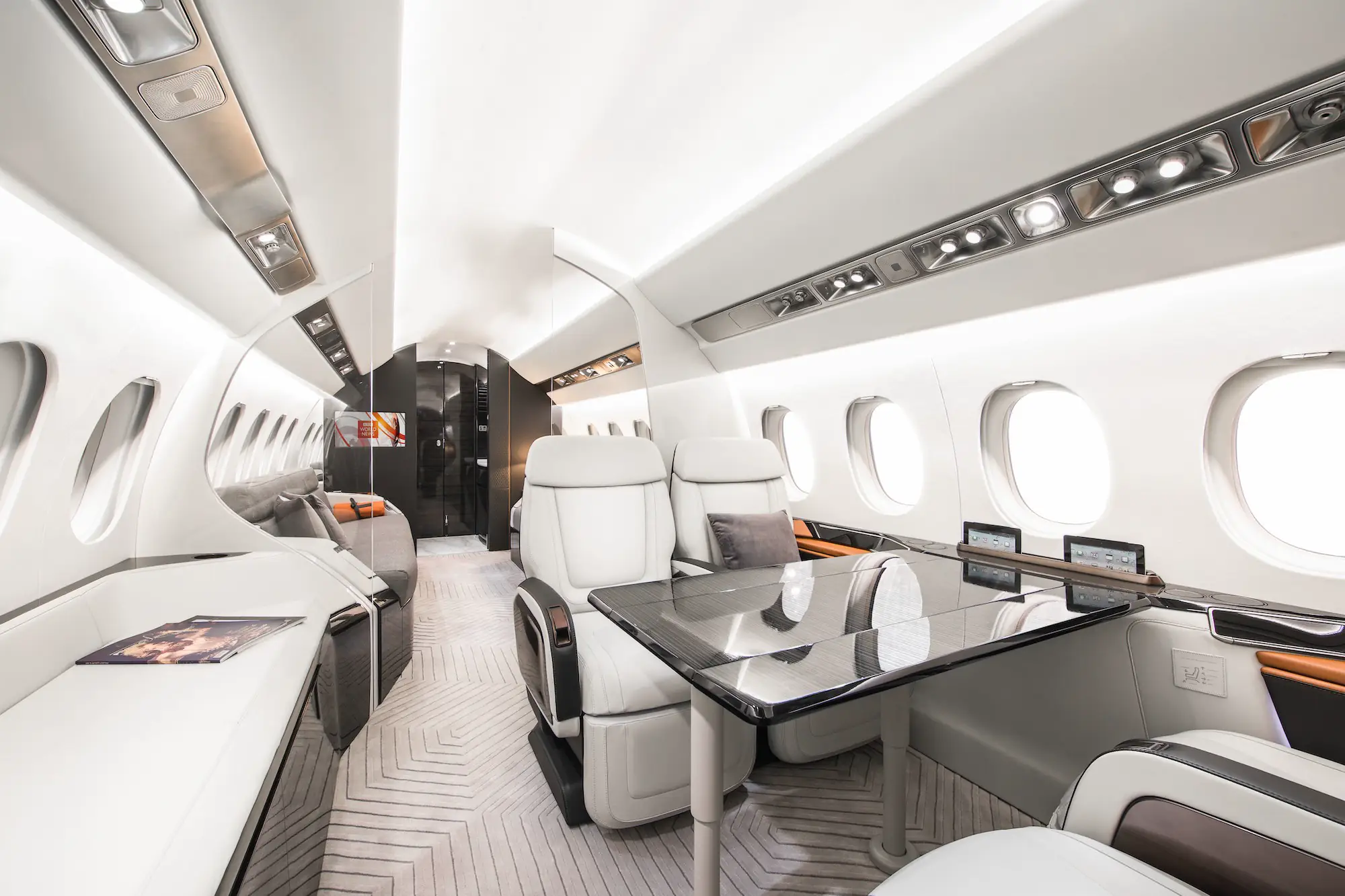

"Within two hours" is a line we use a lot, and it's true, but it's worth explaining what it actually means — because the speed comes from work done long before the call.
Minute 0–15: the brief
The first fifteen minutes are questions. How many passengers, how much luggage, any pets, any reduced mobility, hard time to be wheels-up, hard time to land. Whether the trip is one-way or needs the aircraft to wait. Whether the client cares about a specific cabin or just wants the fastest confirmed option.
Most of this the client's office can answer in one message. The pet question catches people out more than anything else — not every operator accepts animals in the cabin, and it narrows the aircraft list immediately.
Minute 15–45: sourcing
We work three sources in parallel:
- Aircraft already positioned near Dubai — the fastest and usually the best-priced, because the operator avoids a ferry flight.
- Empty legs — an aircraft repositioning anyway, which occasionally lines up perfectly and cuts the price sharply.
- The wider fleet — if nothing local fits the cabin or the timing, an aircraft is flown in, and the ferry time gets added to the schedule.
By minute 45 we normally have two or three real options with real prices, not estimates.
Minute 45–90: the confirmation
The client picks. We issue the charter agreement, take the deposit, and the operator files the flight plan and requests slots. This is also when airport-side concierge is arranged — a fast-track through the FBO, a car airside to the aircraft steps, catering loaded to the client's preferences if there's time, and the same on arrival.
Minute 90–120: on the ground
The client's car is booked to the FBO, not the main terminal. Bags go straight to the aircraft. If the trip crosses into a Riviera summer or a race weekend, the onward helicopter or berth is already held from an earlier conversation, so the jet is just the first leg of something already built.
Why it works from Dubai
Dubai sits on enough long-range aircraft and enough operators that "nothing available" is rare. The harder constraint is almost always the client's own schedule, not the fleet. Which is the whole argument for placing the request early even when the trip is last-minute — the earlier we have the brief, the more of those 120 minutes we can spend making it better rather than making it happen.